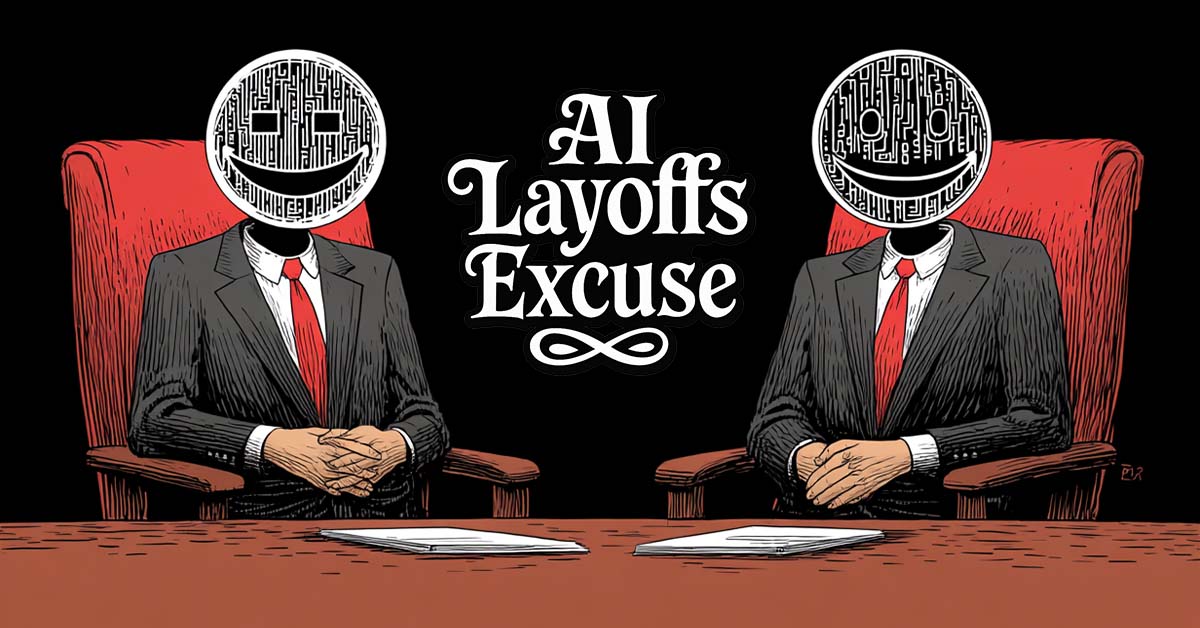


By Daniel Cooper, AI Career Strategist & Workplace Transformation Expert
Discover 19 AI-Proof Career Skills that AI can’t replace. Explore AI-proof careers that require human skills like emotional intelligence and creativity, keeping you future-proof.
Why AI-Proof Career Skills Matter
- More than 50% of U.S. workers now report “FOBO” (Fear of Becoming Obsolete) due to advances in AI.
- AI mainly replaces tasks, not entire jobs. Real security and advancement come from skills that machines can’t mimic.
- Focusing on empathy, judgment, creativity, complex problem-solving, and adaptability delivers better job security, faster promotions, and higher earning potential. So here is the list 19 Essential AI-Proof Career Skills that will make you unstoppable.
Emotional Intelligence & Human Connection
- Advanced Emotional Intelligence
- Recognize emotions, micro-expressions, and subtle social cues in others.
- Example: A manager saves a $2M contract by noticing a client’s hidden frustration in a video call—something automated tools miss.
- Empathetic Communication
- Listen deeply, respond with understanding, and build trust.
- Example: Careers requiring empathy, like customer success, face almost zero automation risk and see rapid salary growth.
- Complex Relationship Building
- Create and sustain deep professional networks across departments.
- Example: A marketing leader survives layoffs by being the “human connector” AI cannot replicate.
- Team Leadership Under Uncertainty
- Inspire people, foster creativity, and build trust in ambiguous situations.
- Example: Company performance rebounds when a human leader restores connection after AI-managed workflow leads to a drop in morale.
- Cultural Intelligence and Global Communication
- Bridge gaps between cultures, manage diverse teams, and avoid costly misunderstandings.
- Example: A project manager saves a major partnership by catching nuances missed by automated translation.
- Mentoring and Human Development
- Coach and guide colleagues, offering support and personalized feedback.
- Example: A senior developer who mentors others is moved to a new leadership role when automation changes the workflow.
Cognitive & Creative Skills
- Critical Thinking in Complex Scenarios
- Spot biases, challenge assumptions, and see big-picture connections.
- Example: An analyst saves millions for their company by questioning an AI-generated staff cut recommendation.
- Creative Problem-Solving
- Design innovative solutions using ideas from unrelated domains.
- Example: A professional combines three unrelated processes to cut costs by 45%—a leap AI would never suggest.
- Strategic Vision and Planning
- Develop long-term plans by anticipating market shifts and human behavior.
- Example: A five-year strategic vision leads a company into new markets before competitors catch on.
- Ethical Decision-Making
- Apply moral reasoning in complex and ambiguous settings.
- Example: A leader uncovers AI bias in recruitment and implements new fair hiring standards.
- Innovation and Entrepreneurial Thinking
- Connect unrelated concepts to invent or pivot new products and solutions.
- Example: Building a $10M business by merging logistics from two different industries—an opportunity no AI identified.
- Systems Thinking and Complexity Management
- Map and manage interdependencies, seeing how changes ripple through organizations.
- Example: Project success comes from foreseeing how multiple AI tools might conflict if poorly integrated.
Adaptability & Future Skills
- AI Collaboration and Prompt Engineering
- Work seamlessly with AI, designing effective prompts and interpreting outputs.
- Example: Professionals skilled at getting high-value outputs from AI tools earn an average of 35% more.
- Rapid Learning and Skill Adaptation
- Master new abilities quickly and stay ahead of technological change.
- Example: After AI automates bookkeeping, an employee upskills in AI auditing and secures a 50% raise.
- Change Management and Resilience
- Embrace change, stay calm in uncertainty, and help others adapt.
- Example: Leading a team through AI-driven transformation earns a new director-level position.
- Cross-Functional Integration
- Combine expertise from multiple fields to solve new problems.
- Example: Merging marketing, data analysis, and psychology to design outstanding customer experiences.
Specialized Human Skills
- Intuitive Pattern Recognition
- Use gut feeling and real-world experience for decision-making in novel situations.
- Example: Noticing a subtle client concern leads to uncovering a hidden project risk that AI missed.
- Physical Dexterity and Spatial Intelligence
- Solve problems requiring hands-on work, coordination, or spatial reasoning.
- Example: Engineers who excel at UI design for AI tools thanks to strong spatial intuition.
- Moral Leadership and Values-Driven Decisions
- Make principled choices that align with core values and the greater good.
- Example: Upholding privacy in AI-powered customer profiling leads to both ethical business practice and growth.
How to Build These Skills
- Assess strengths and gaps: Rate your skills and set development priorities.
- Practice daily: Focus on one skill per day or week—observe, reflect, and get feedback.
- Integrate and share: Apply new skills in real projects and share progress with your network.
- Plan and track growth: Create 30- and 90-day plans to build mastery, and measure both confidence and career results.
The Future Belongs to Strategic Humans
AI-proof skills are your edge in an automated world. Mastering these 19 areas ensures continual relevance, expanded opportunities, and a work life that’s more secure and impactful than ever. Focus daily on building what makes you uniquely human—creativity, empathy, vision, and judgment—and your career will thrive, no matter how fast technology advances.
You may also like